
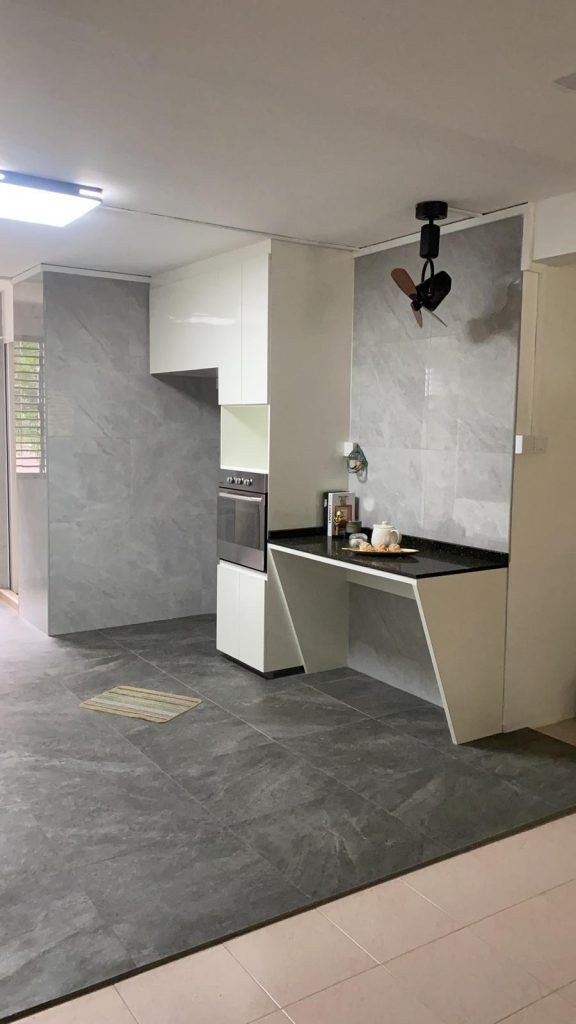
Minimalist Kitchen with Integrated Storage and Clean Geometry
This minimalist kitchen is a clear example of how disciplined design and thoughtful planning can create a space that feels both elegant and highly functional. Rather than relying on decorative elements, the design focuses on geometry, proportion, and seamless integration. The result is a kitchen that feels calm, organized, and intentionally modern.
The first thing that stands out in this kitchen is the emphasis on clean, uninterrupted surfaces. The cabinetry is designed with flat-panel fronts and minimal visual breaks, creating a smooth and continuous appearance. By avoiding visible handles and excessive detailing, the design reinforces a strong minimalist identity. This approach not only enhances visual clarity but also makes the kitchen easier to maintain over time.
Storage is one of the defining strengths of this space. The cabinetry is thoughtfully planned to maximize usable storage without overwhelming the room. Vertical cabinets extend upward, making efficient use of available height while maintaining a balanced proportion relative to the rest of the kitchen. This vertical emphasis helps keep countertops clear, supporting the uncluttered aesthetic that minimalism demands.
The color palette is restrained and deliberate. Neutral tones dominate, creating a sense of openness and visual calm. These tones act as a neutral canvas, allowing the architectural qualities of the space to take precedence. Subtle contrasts between cabinet finishes, countertop surfaces, and the backsplash prevent the kitchen from feeling flat while maintaining overall harmony.
The countertop plays an important supporting role in the design. Its smooth, durable surface provides a practical workspace while visually grounding the cabinetry. The material choice appears carefully considered, balancing aesthetics with everyday functionality. The clean edge detailing reinforces the modern character of the kitchen and aligns with the overall geometric discipline.
Lighting is integrated with purpose rather than spectacle. Ceiling-mounted fixtures provide consistent ambient lighting, ensuring that the entire workspace is evenly illuminated. This even distribution of light enhances usability and highlights the clean lines of the cabinetry. There is no reliance on decorative lighting features, which allows the kitchen’s architecture to remain the focal point.
From a functional standpoint, the layout is efficient and intuitive. Work zones are clearly defined, enabling smooth movement between preparation, cooking, and cleaning areas. Appliances are integrated seamlessly into the cabinetry, preserving visual continuity and reinforcing the minimalist approach. This integration ensures that modern functionality does not disrupt the clean aesthetic.
What makes this kitchen particularly effective is its long-term practicality. Minimalist designs can sometimes feel cold or impractical if not executed carefully, but this space avoids that pitfall through thoughtful proportions and adequate storage. The design supports everyday use while maintaining a refined appearance.
Overall, this kitchen demonstrates that minimalism is not about reduction for its own sake, but about intentional design decisions. Through clean geometry, integrated storage, and a restrained palette, the space achieves a balance between beauty and function. It is a kitchen designed to remain relevant, usable, and visually appealing for years to come.


